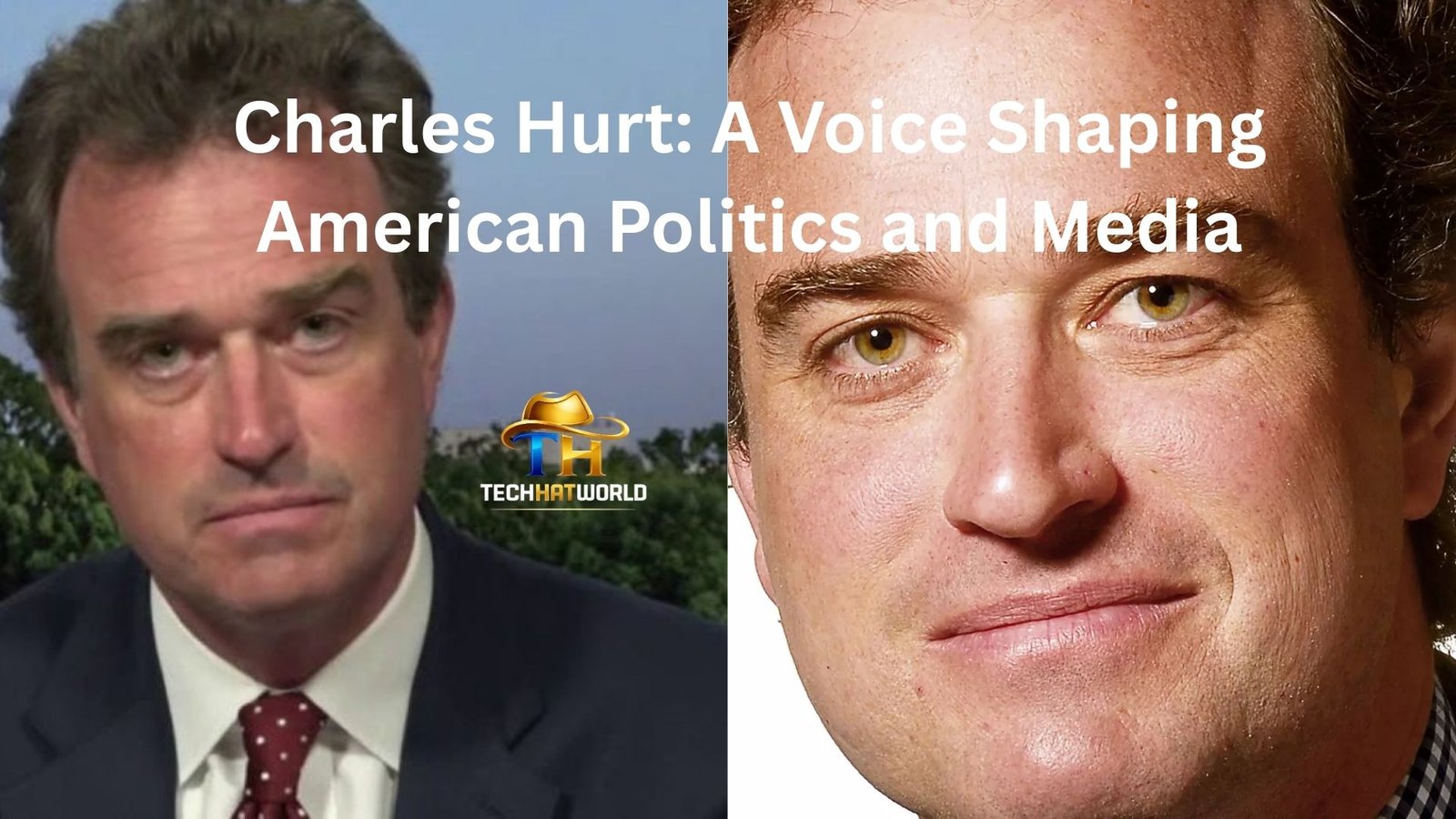
If you’ve ever flipped through a newspaper, watched a political segment on TV, or scrolled through social media in the last few years, you’ve probably come across Charles Hurt. Whether you agree or disagree with his opinions, there’s no denying that he’s a force in the realm of political commentary. Hurt’s blunt and often controversial takes have earned him a reputation as one of the more fearless voices in American media. But who is Charles Hurt, really, and what makes his perspective so uniquely influential?
For many, Hurt is synonymous with the fiery right-wing commentary that defines much of modern conservative media. He’s a regular columnist for The Washington Times and a frequent guest on Fox News. But beyond the headlines, Hurt has built a career on crafting narratives that resonate with a large segment of the American public. His voice, whether in print or on air, is one that demands attention. But let’s take a closer look at how he became this prominent figure, what he stands for, and why his style strikes such a chord.
A Voice Rooted in Strong Opinion
When it comes to Charles Hurt, there’s no such thing as a neutral take. He’s known for being direct—sometimes brutally so. There’s no sugarcoating with Hurt. Whether he’s commenting on the latest political scandal, dissecting the news of the day, or offering his two cents on policy debates, he doesn’t hold back. His columns often read like an emotional stream of consciousness. That’s what people like about him. He’s unapologetic, willing to say what others might think, but avoid voicing.
A perfect example? Take his column on the 2020 presidential election. Hurt was one of the many commentators who voiced doubt about the legitimacy of the election results. Now, say what you will about that stance—Hurt didn’t mince words. He didn’t shy away from stirring the pot, offering sharp criticism of what he saw as an unfair system. But here’s the thing: people who resonate with his views find that level of boldness refreshing, even necessary in a media landscape that can often feel sanitized and overly polite.
You don’t have to agree with him to appreciate the sincerity of his opinions. Whether it’s politics or the media’s portrayal of politics, Hurt has a knack for tapping into emotions and sentiments that a lot of people hold—sometimes unspoken—and giving them a voice. He has a way of cutting through the noise and speaking directly to his audience, even when his tone can ruffle feathers.
The Media Ecosystem and Hurt’s Role
Hurt’s influence isn’t just in his individual columns; it’s in his role within the broader media ecosystem. He’s become a fixture on Fox News, regularly appearing to provide political analysis and comment. For many viewers, Fox News is a trusted source of conservative views, and Hurt’s voice has added a unique layer to that discourse.
What makes him stand out on these platforms is the way he doesn’t just regurgitate the standard party lines. He brings his own brand of skepticism and critical thinking to the table, challenging both liberals and conservatives when he thinks it’s necessary. Take his commentary on Republican infighting, for example. While many conservative commentators may toe the party line, Hurt is quick to point out flaws in leadership or poor strategic choices. He’s not afraid to call out those who fail to live up to the party’s ideals.
This makes Hurt something of an outlier within the often-polarized media world. In a sea of predictability, his willingness to question his own side while aggressively taking on the other is something that sets him apart. For his audience, that sense of authenticity and willingness to stand firm in his beliefs, even if it makes him unpopular, is part of his appeal.
Real-World Examples: Making Sense of the News
Take a recent example from the 2022 midterm elections. As the race for control of Congress heated up, the national conversation was dominated by various political analysts. Many were hyper-focused on the horse-race aspect: who was ahead, who was falling behind, and which candidates were leading the charge in their respective states.
Hurt, however, took a different tack. Instead of getting bogged down in the predictions and polling data, he focused on the larger story—the cultural moment. The way he framed the election wasn’t just about Republicans versus Democrats, but about a nation’s struggle over its identity. He wasn’t simply observing the political drama; he was dissecting what it revealed about American society. For him, the election was a window into the tension between progressive and conservative forces in the country.
It’s that depth and nuance in his writing that makes Hurt so engaging. Sure, he could have written a piece focused on the “red wave” or the “blue wall”—all the usual election chatter. But he went further, tapping into the emotional undercurrents of the time. That’s the kind of commentary that turns a simple column into something readers keep coming back to.
The Controversial Nature of His Opinions
Now, let’s be honest—Charles Hurt doesn’t shy away from controversy. He leans into it. Whether it’s his takes on the media, the political elite, or even social movements, he’s often at the center of heated debates. His fans love him for it, while his critics find his rhetoric inflammatory.
But here’s the thing: controversy isn’t always a bad thing. In a world where everyone seems to be treading carefully, afraid of offending someone, Hurt is an anomaly. He’s a provocateur in the truest sense of the word. And while that often leads to criticism, it also leads to real conversations—sometimes uncomfortable, but always important.
For example, when it comes to discussions on immigration or government spending, Hurt is not afraid to take a tough stance. His commentary doesn’t dwell in the gray area of compromise or political correctness. Instead, he lays out his opinions clearly, with little room for ambiguity. This approach is part of what makes his columns feel like a breath of fresh air to those who are tired of political pundits walking on eggshells.
Critics, of course, will argue that Hurt’s positions sometimes lack nuance or fail to acknowledge the complexities of certain issues. And they’re not entirely wrong. But there’s an undeniable clarity in his stance that many people find refreshing. In a landscape where media outlets and commentators often hedge their bets and attempt to please everyone, Hurt’s directness feels, at the very least, honest.
The Long-Term Impact of Hurt’s Commentary
As we move forward in an increasingly polarized political climate, figures like Charles Hurt are likely to become even more influential. He’s built a brand around being unafraid to speak his mind, and that’s a quality that will continue to resonate with many people. Whether you agree with him or not, there’s value in the way he challenges conventional thinking and provides an unfiltered perspective on the issues that matter.
At the same time, it’s important to recognize that the way Hurt interacts with the public isn’t simply about pushing a political agenda. It’s about stirring the pot, making people think. In a world where echo chambers often dominate our media consumption, voices like his push us out of our comfort zones and force us to examine our beliefs. They may not always be easy to hear, but they’re almost always worth listening to.
Wrapping It Up
In the world of political commentary, Charles Hurt stands as a symbol of bold, unapologetic analysis. He’s the kind of writer who doesn’t wait for permission to speak his mind. Whether it’s through his columns, TV appearances, or public speeches, Hurt has become a central figure in shaping how many Americans view their government, their culture, and the media that covers both.
Does that mean he’s always right? Of course not. But his courage to share his unfiltered perspective is what sets him apart. In a media landscape full of noise, Charles Hurt is a voice that cuts through the static, offering commentary that’s raw, direct, and hard to ignore. And for many, that’s exactly what the world needs more of right now.