Coins have a strange way of showing up when you least expect them.
Maybe it’s a dusty jar in the kitchen cabinet. Maybe it’s something you spotted at a flea market. Or a coin that fell out of your grandfather’s old toolbox while cleaning the garage. You hold it, flip it over, stare at the strange symbols, and wonder one thing: what exactly is this?
That curiosity used to require books, collectors’ forums, or a visit to a coin shop. Now it takes about five seconds.
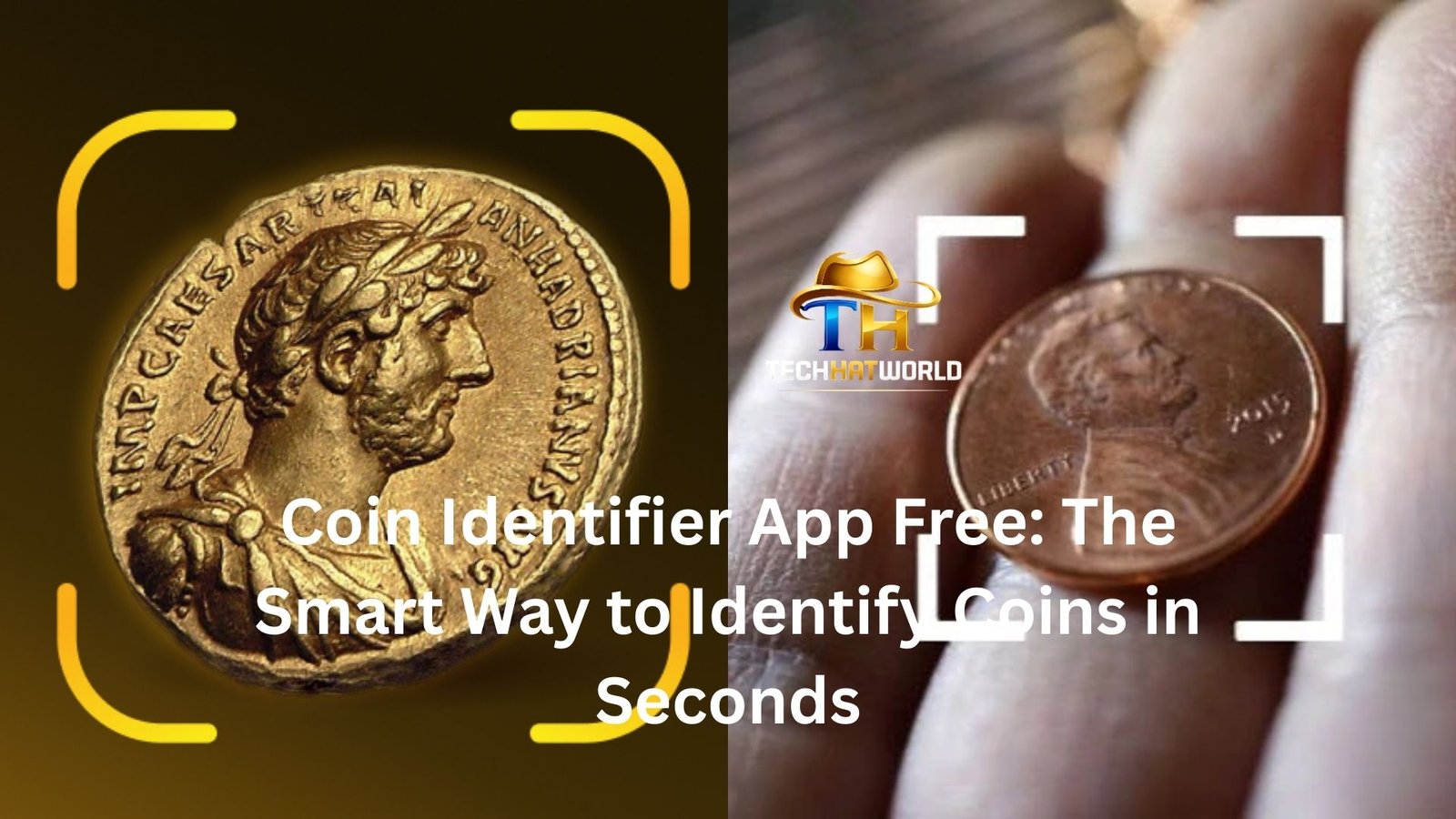
A free coin identifier app can scan a coin with your phone’s camera and tell you what it is, where it came from, and sometimes even what it might be worth. For casual collectors, hobbyists, and curious people who simply found an unusual coin, these apps have quietly become one of the most useful tools you can keep on your phone.
But like most technology that sounds simple, there’s more going on beneath the surface.
Let’s talk about how these apps work, why people use them, and whether they’re actually worth downloading.
Why Coin Identification Used to Be So Difficult
Not that long ago, identifying coins required patience. A lot of it.
Collectors often kept thick catalog books filled with tiny photographs of coins from different countries and time periods. You’d flip page after page trying to match the design. Sometimes the date helped. Sometimes the language on the coin gave clues. Other times you were stuck staring at unfamiliar symbols wondering where to even start.
Imagine finding a coin with Arabic script and a crown symbol. Without knowing the language, you’d probably spend half an hour digging through references just to figure out the country.
Now picture doing the same thing with your phone.
You open an app, point your camera at the coin, snap a photo, and within seconds it suggests possible matches.
That shift is exactly why free coin identifier apps have exploded in popularity over the past few years.
How a Coin Identifier App Free Version Actually Works
At first glance, it looks almost magical.
You scan a coin and the app instantly tells you it’s a 1967 Canadian Centennial penny or a 1912 British half penny. But behind the scenes, the process is surprisingly logical.
The app analyzes the image you capture and compares it against a massive database of coin images. It looks at details like lettering, symbols, portraits, edge shapes, and patterns. Even small design elements can narrow down the possibilities quickly.
Think of it like facial recognition—but for coins.
If the coin has a monarch’s portrait, the app can match the facial features. If there’s a specific eagle design or wreath pattern, it compares those shapes against thousands of known examples.
Within a moment, it gives you the closest match along with basic information such as:
- Country of origin
- Year or approximate period
- Metal composition
- Historical background
Some apps go further and estimate market value based on collector data.
Of course, the accuracy depends on how clear the photo is. A scratched coin in poor lighting can confuse even the smartest app.
Still, when it works, it feels almost like having a pocket-sized coin expert.
The Appeal for Casual Collectors
Most people who download a coin identifier app aren’t serious numismatists.
They’re curious.
Maybe someone inherited a small coin collection from a relative. Maybe they started collecting foreign coins after traveling. Or maybe they just enjoy the mystery of unusual currency.
Here’s a small example.
A friend of mine once found a strange coin while cleaning out an old desk. It had a hole in the center and characters he didn’t recognize. For years he assumed it was just a random token.
One quick scan with a coin identifier app revealed it was actually a Japanese 5 yen coin from the 1960s. Not particularly valuable, but suddenly the coin had a story.
That’s the real appeal.
A coin stops being just metal and becomes a tiny piece of history.
When a Free Coin Identifier App Is Actually Enough
Free versions of these apps are surprisingly capable.
If your goal is basic identification—figuring out what a coin is and where it came from—a free app usually does the job perfectly well.
You snap a photo, the app suggests matches, and you learn something new. For most people, that’s all they need.
Free apps are especially useful for things like:
Identifying foreign coins from travel
Sorting through mixed coin jars
Checking coins found in old collections
Learning the basics of coin collecting
In these situations, you’re not trying to price a rare 19th-century silver dollar. You just want to know what’s in your hand.
And that’s exactly what free versions handle well.
Where Free Apps Sometimes Fall Short
Let’s be honest for a moment.
Free apps aren’t perfect.
The biggest limitation is usually the database. While many apps include thousands of coins, there are still countless variations in mint marks, errors, and rare editions that may not appear in the free version.
For common coins, identification works almost instantly.
For rare or damaged coins, things get trickier.
Another issue is grading. Coin value depends heavily on condition. A professional collector looks at wear patterns, surface marks, and luster to determine value. A phone camera can only estimate that.
So if you scan a coin and the app suggests it might be worth $50, that’s more of a rough idea than a confirmed price.
Still useful. Just not definitive.
A Surprising Tool for Treasure Hunters
Here’s where things get interesting.
Some people use coin identifier apps while metal detecting.
Picture someone walking along an old field with a metal detector. They dig up a coin covered in dirt and corrosion. In the past they’d need to clean it carefully and research later.
Now they pull out their phone.
Even with some dirt still on the coin, the app might recognize enough design details to suggest what it is.
That quick identification can tell them whether they’ve found something modern, historical, or potentially rare.
Metal detector communities have quietly embraced these apps for exactly that reason. It speeds up the discovery process.
And let’s face it, half the excitement of finding something is figuring out what it is.
The Educational Side Nobody Talks About
One of the most underrated benefits of coin identifier apps is how much history they sneak into your day.
Coins are tiny time capsules.
A single scan might reveal that a coin was minted during the Roman Empire, the British colonial era, or during a specific monarchy. Suddenly you’re not just holding metal—you’re holding a piece of a story from decades or centuries ago.
Many apps include short historical notes about the coin’s origin. Nothing overly academic. Just enough context to make the discovery interesting.
For younger collectors especially, that can spark a deeper interest in history.
It’s like a history lesson hiding inside your camera app.
What Makes a Good Coin Identifier App
Not all apps are equal, even when they’re free.
A good one usually gets three things right.
First, image recognition needs to be fast and accurate. If you scan the same coin twice and get completely different results, the app quickly becomes frustrating.
Second, the coin database should be large enough to include coins from many countries and eras. Coins circulate globally, and people often discover pieces from unexpected places.
Finally, the interface should be simple. Coin collecting apps shouldn’t feel like tax software.
Open the app. Scan the coin. See the result.
That’s it.
The best apps feel almost invisible because they’re so easy to use.
The Small Risk of Over-Excitement
There’s one funny side effect of coin identifier apps.
Sometimes they make ordinary coins seem rare.
You scan a coin and the app shows a listing online where someone is selling a similar coin for $300. Suddenly your brain starts racing. Did you just find a hidden treasure?
Probably not.
Online listings can be misleading. Sellers can ask any price they want. What matters is the actual market value and the coin’s condition.
So while these apps are great for identification, it’s wise to treat price estimates with a little skepticism.
If a coin truly looks rare or valuable, getting a second opinion from a collector or coin dealer is always a good idea.
Why These Apps Are Changing Coin Collecting
Coin collecting used to have a small barrier to entry.
You needed books. Knowledge. Patience.
Now anyone with a smartphone can jump in immediately.
A teenager finding an old coin at the beach can identify it in seconds. Someone traveling abroad can learn about unfamiliar currency on the spot. Even long-time collectors use these apps as quick reference tools.
Technology didn’t replace traditional coin collecting. It simply removed the friction.
And when something becomes easier to explore, more people get curious about it.
The Takeaway
A coin identifier app free download might sound like a small thing. Just another utility on your phone.
But it changes the way people interact with everyday objects.
Coins that once sat forgotten in jars or drawers suddenly become interesting again. Each one might have a story, a country, or a historical moment attached to it.
All it takes is a quick scan.
Whether you’re sorting through old change, exploring a flea market, or digging through a family collection, having a coin identifier app in your pocket turns curiosity into instant discovery.