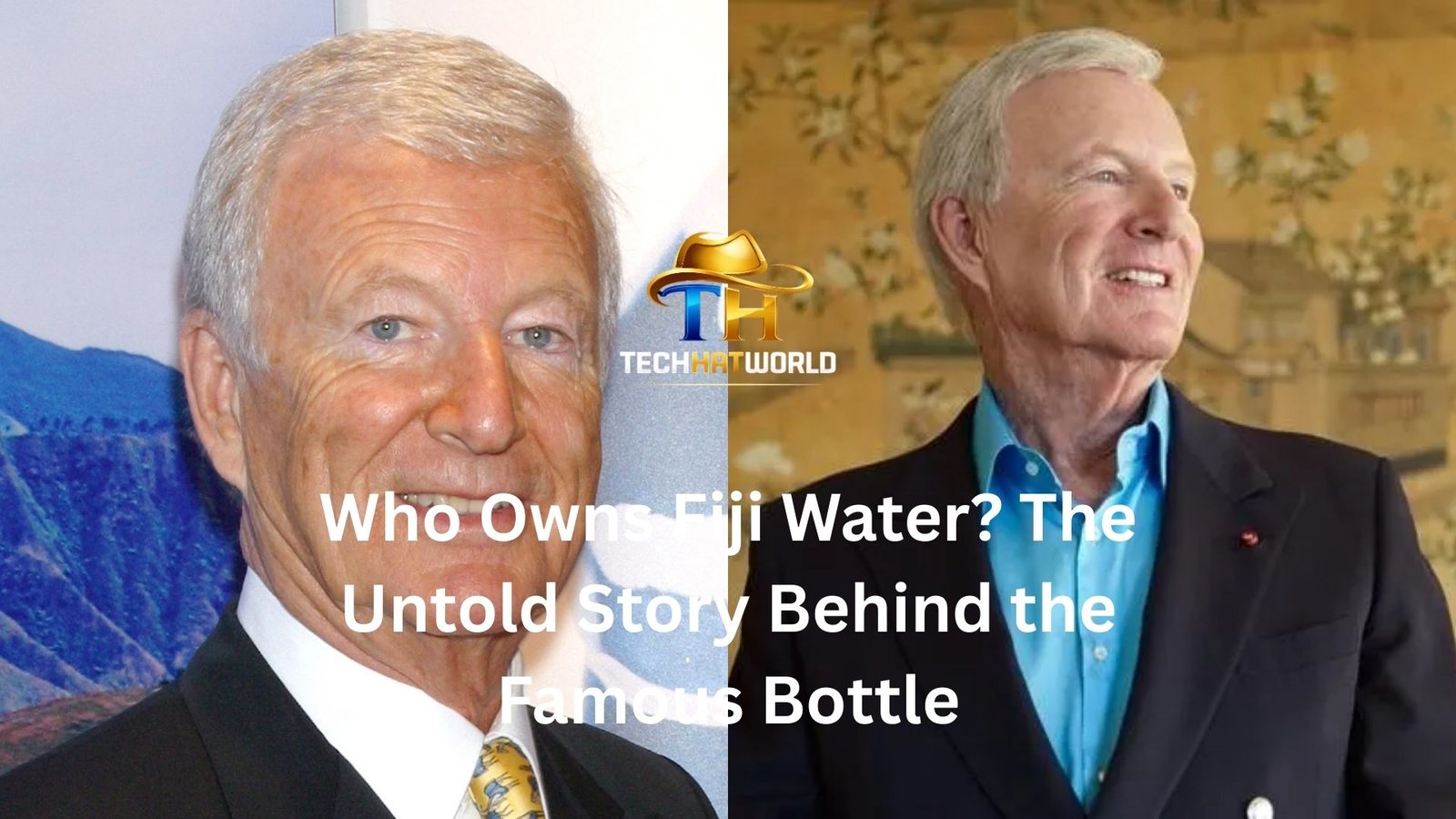
Fiji Water is one of the most recognized premium bottled water brands in the world. You’ve probably seen its sleek bottle with the tropical flower on the label sitting on a shelf at your local grocery store, or perhaps served at a fancy hotel or restaurant. It’s become a symbol of luxury, wellness, and purity. But have you ever stopped to wonder: Who owns Fiji Water? How did this brand go from a small idea to a global powerhouse? In this deep dive, we’ll explore the ownership of Fiji Water, the company’s fascinating backstory, the people behind the brand, controversies it has faced, and even what makes this water so special. Let’s get started.
A Quick Look at Fiji Water’s Origins
Before we get to who owns Fiji Water, it helps to know where this water comes from. Fiji Water comes from an underground aquifer in the Yaqara Valley of Viti Levu, one of the largest islands in Fiji, a small island country in the South Pacific. The brand claims that the water is untouched by human hands until you unscrew the cap—filtered by volcanic rock and bottled right at the source. That clean, untouched image is central to the company’s marketing. But the real story behind Fiji Water starts not in the South Pacific, but in California.
The Beginning: An American Couple’s Vision
The original idea for Fiji Water came from a Canadian businessman named David Gilmour, who founded the brand in 1996. Gilmour was also known for launching high-end resorts like the Wakaya Club in Fiji. He wanted to create a bottled water company that captured the untouched essence of Fiji’s natural beauty. An anecdote that people often mention: Gilmour had been drinking the natural spring water on the island and thought, “This is the best water I’ve ever tasted—people around the world should try this.” That single thought led to the creation of one of the most successful bottled water brands on the market. He didn’t just want to bottle water—he wanted to sell an experience, an ideal. And it worked.
So, Who Owns Fiji Water Now?
In 2004, Fiji Water was sold to Lynda and Stewart Resnick, a billionaire couple based in California. They bought the company through their holding company, The Wonderful Company. Let’s pause and break that down:
Who Are the Resnicks?
- Stewart Resnick is a businessman with a long history in agriculture, marketing, and branding.
- Lynda Resnick is often credited with the genius marketing that turned boring commodities like water, pomegranates, and oranges into household luxury items.
- Together, they run The Wonderful Company, a private conglomerate that owns several famous brands.
What Is The Wonderful Company?
If the name doesn’t ring a bell, the products probably do. The Wonderful Company owns:
- Wonderful Pistachios
- POM Wonderful
- Halos Mandarins
- Justin Vineyards & Winery
- FIJI Water
- And several other businesses
The Resnicks have built an empire by rebranding everyday products as premium, high-end choices. In many ways, Fiji Water is the crown jewel of their portfolio. So to answer the question directly: Fiji Water is owned by The Wonderful Company, which is controlled by billionaires Stewart and Lynda Resnick.
From Fiji to the World: Global Expansion
Under the Resnicks’ leadership, Fiji Water became more than just another bottled water. With smart marketing and celebrity endorsements, it made its way into Hollywood, the White House, and beyond. You may remember that iconic moment at the 2019 Golden Globes, when a model holding a tray of Fiji Water photobombed nearly every red-carpet celebrity. That stunt went viral—and was no accident. It was pure marketing genius. Thanks to strategies like that, Fiji Water is now available in over 60 countries and is a leader in the premium bottled water market.
What Makes Fiji Water So Special?
Aside from clever branding, Fiji Water claims several key selling points:
- Natural artesian water: It’s drawn from a deep underground aquifer, naturally protected from pollution.
- Silica-rich content: It’s said to be good for skin, hair, and bones.
- Bottled at the source: It’s packaged in Fiji itself to preserve purity.
However, while these claims sound impressive, it’s worth noting that many bottled waters offer similar benefits. What really sets Fiji Water apart is the story it tells—and people are willing to pay for that story.
The Controversies Behind the Brand
It’s not all tropical bliss and volcanic filtration. Over the years, Fiji Water has faced its share of controversies.
Tax Disputes with the Fijian Government
In 2010, the Fijian government proposed a tax hike on water extraction. In response, Fiji Water temporarily shut down its plant and called the government “unstable.” This move led to public backlash, especially from locals who relied on the company for jobs. Eventually, the company agreed to the tax terms and resumed operations. But the incident highlighted tensions between foreign ownership and local interests.
Water Rights and Environmental Impact
There have been questions about the environmental footprint of bottling and shipping water across the globe—especially when many Fijians don’t have regular access to clean drinking water. Although Fiji Water has since made efforts to reduce its carbon footprint and invest in sustainability, critics argue that the business model itself is problematic.
The Company’s Push for Sustainability
To its credit, Fiji Water has launched several green initiatives:
- Carbon-reduction strategies
- Recyclable bottles
- Reforestation programs in Fiji
It’s also part of The Wonderful Company’s “Wonderful Giving” program, which donates millions to educational and health-related causes. Still, environmental groups remain skeptical, especially when the product is essentially water packaged in plastic bottles and shipped across oceans.
Step-by-Step: How Fiji Water Reached Global Success
Let’s summarize the steps that turned Fiji Water into a luxury brand:
- Identify a unique product: Natural spring water from a remote island.
- Create a powerful brand story: Untouched, pure, and exotic.
- Use strategic marketing: Celebrity endorsements, lifestyle branding.
- Expand globally: Target luxury hotels, restaurants, and retail chains.
- Handle PR crises with caution: Resolve tax issues, address environmental concerns.
- Invest in sustainability: Align with modern consumer values.
Real-Life Anecdote: A Bottle in the Boardroom
One former marketing executive recalls walking into a boardroom in New York and noticing that every seat had a Fiji Water bottle instead of regular tap water. It wasn’t just about hydration—it was about status. That’s what the Resnicks understood: water could become a lifestyle product. And they marketed it as such.
Key Takeaways
- Who owns Fiji Water? The company is owned by The Wonderful Company, controlled by billionaires Stewart and Lynda Resnick.
- The water is sourced from a natural aquifer in Fiji, but the company is American.
- Marketing has been central to its success—turning plain water into a premium global brand.
- Environmental and ethical questions remain, but the company continues to evolve its approach to sustainability.
Final Thoughts
The story of Fiji Water is more than just a tale of a bottled beverage. It’s a masterclass in branding, marketing, and the intersection of business and nature. Whether you see it as a symbol of wellness or a controversial luxury, there’s no denying the global impact it’s made. So the next time you pick up a bottle of Fiji Water, remember: you’re not just drinking water. You’re sipping on a story crafted with precision, passion, and plenty of business savvy.